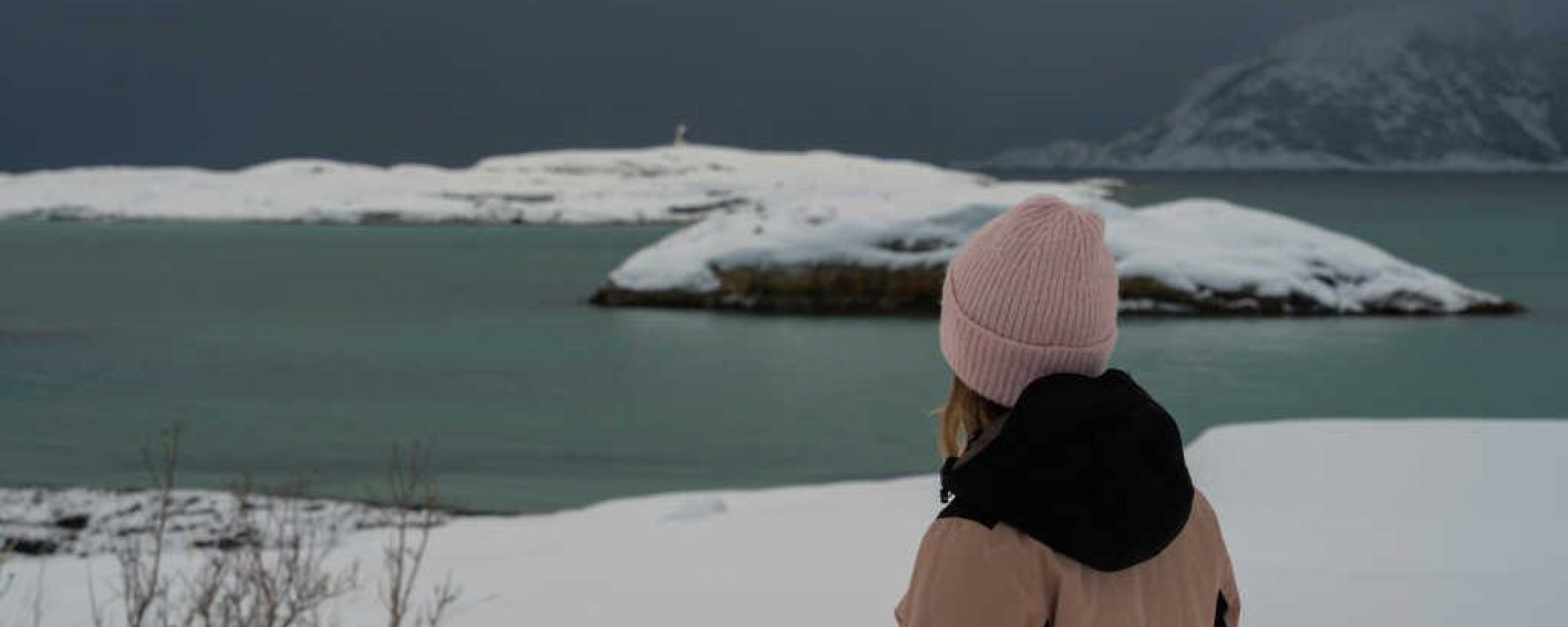
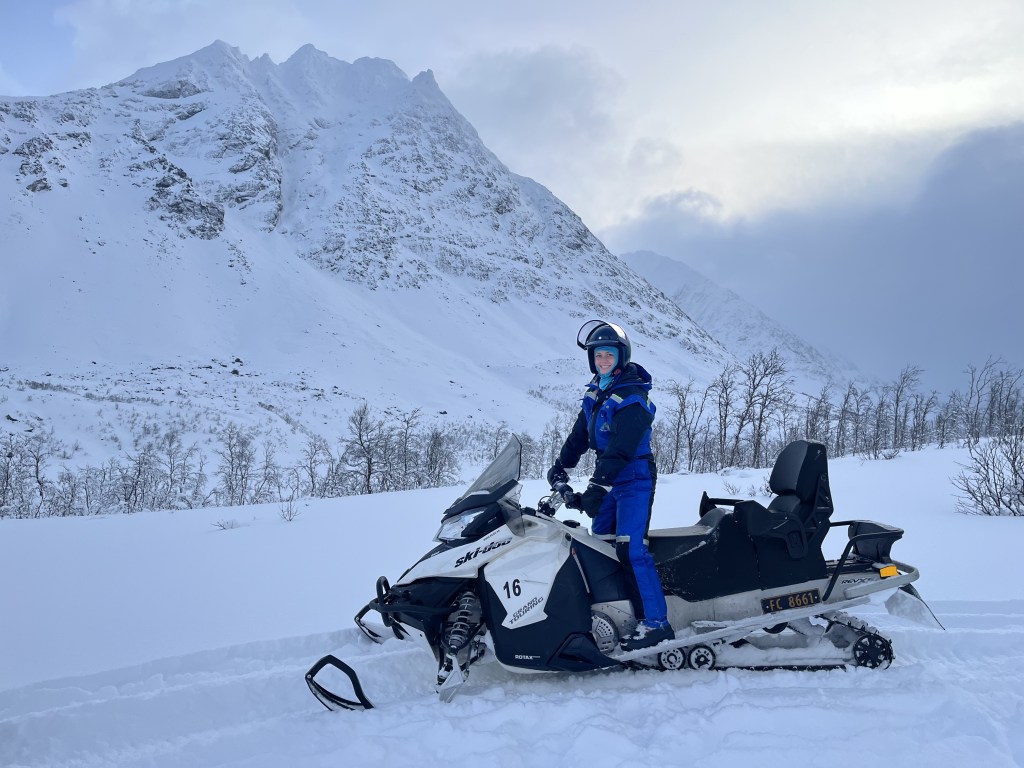
Shovelling snow, chasing the Northern Lights, braving minus-degree temperatures and navigating icy streets with shoe spikes; this is my reality now. While some people might gravitate towards tropical beaches or big cities, I’ve chosen a different path: life in the Arctic.
Last summer, I decided it was time to inject some excitement into my life. After several years in Ireland working as a freelance journalist and in marketing, I felt ready for a new challenge in an entirely different environment. I’ve always loved to travel, and so when a job opportunity in tourism arose for me, I simply could not refuse. I saw it as an interesting, though temporary, career change.
Life in the Arctic has always fascinated me. I’m drawn to Scandinavian countries for their culture, lifestyle and values, but was also curious to explore how people adapt to such unique conditions. After visiting Norway a few times, it seemed like the perfect place to start.
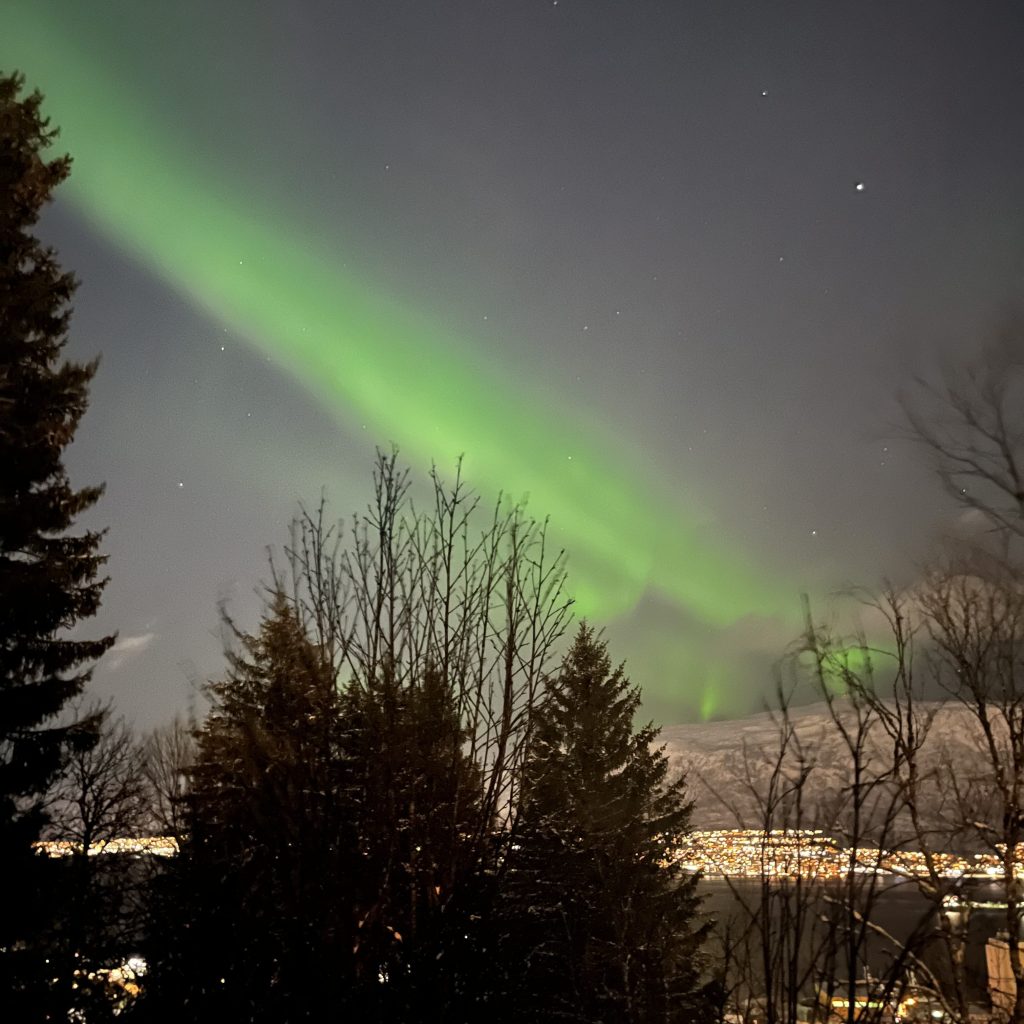
After some planning, I moved to Tromsø last October. It’s a scenic city with almost 80,000 people on the island of Tromsøya, connected to the mainland by bridge and tunnel, and I moved into a one-bedroom apartment in a neighbourhood overlooking the city. My commute to work in the city centre takes about 15 minutes by bus. From my apartment, there is a beautiful view of the Norwegian Sea and mountains on the mainland. On a clear night I can see the luminous Aurora Borealis from my bedroom window.
Tromsø is home to the largest number of wooden houses in Northern Norway, with the oldest dating back to the 1700s. The city is vibrant and charming, with a perfect mix of culture, history and modern life. It has lots of cute coffee shops and wine bars, as well as a fantastic library, great shops and restaurants serving delicious king crab.
While I love it here in Tromsø, my bank account does not. The city is very expensive. A simple meal out for one person usually sets me back at least 590 NOK (about €50), and it costs at least 80 NOK (€6.80) for a takeaway americano.
Moving here has been one of the best decisions of my life, but also one of the hardest. Nothing could have truly prepared me for the experience of living in Norway’s northernmost city. I am surrounded by beautiful fjords and snow-capped mountains; it is amazing. But I’ve also experienced culture shock and, similar to many living here, navigating the challenges posed by extreme weather conditions has been a big adjustment.
There can be bitter cold, thick snow and the constant need to layer up with proper clothing and shoe spikes. Tromsø is for sure a winter wonderland, but winds can be incredibly powerful and during heavy snowstorms, visibility can drop to near zero. Rainstorms are possibly even more dangerous. When temperatures rise above freezing, the rain quickly melts the snow, only for it to refreeze when temperatures drop again. This creates sheets of ice on roads and footpaths, making even simple tasks like grocery shopping or travelling to work very difficult.
During conditions like these, it can be unsafe to do anything outdoors. This is when I meet friends at a cute coffee shop, take a trip to the cinema, or just simply recharge my batteries at home by watching a movie.
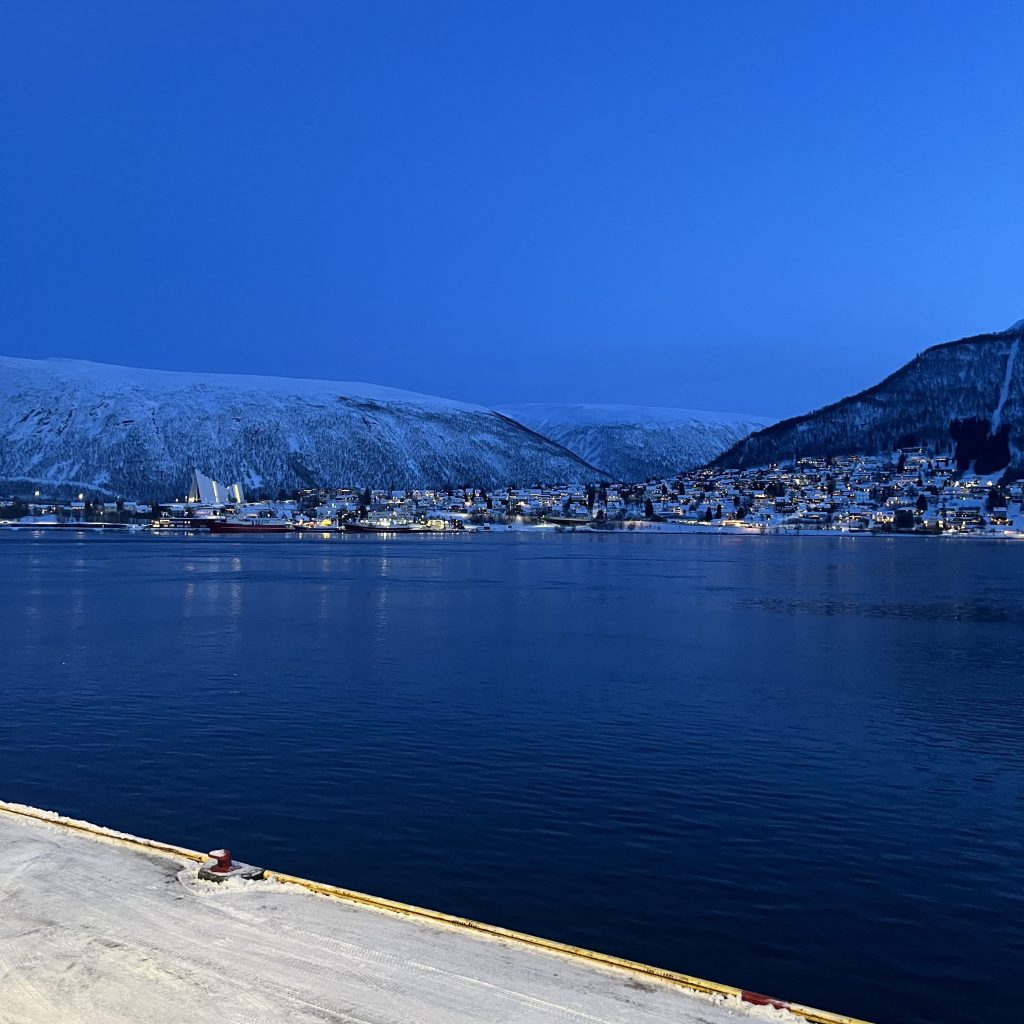
Then there’s the polar night. In Tromsø, it began on November 21 and lasted until January 21. For two months, there was little to no daylight. The darkness was broken only by a few hours of twilight, which cast a bluish glow over the landscape. It’s certainly magical, but the lack of sunlight took its toll. I felt a persistent tiredness and a noticeable dip in my energy levels. I also learned that for many, the polar night can significantly affect mental health.
To cope, I kept active and prioritised meeting and connecting with people. Keeping a routine was really important for me – whether it meant waking up at the same time every day, going to the gym after work or ensuring I (mostly) eat healthily.
I’m quite introverted, but I quickly learned how easy it can be to feel lonely here if you don’t put effort into maintaining a positive mindset and spending time with others.
Norwegians are polite, friendly and helpful, but I find they tend to have a reserved demeanour that can take time to understand and connect with. For instance, in my job it took a while for colleagues to ‘warm’ to me, but after a few weeks, I saw that they were so kind and helpful towards me, and we had a similar sense of humour.
On January 21, Tromsø welcomed back the sun. On the day I travelled, like most people, to the southern end of the island to celebrate on a beach called Telegrafbukta. It was -12C, but the feeling was warm and the place felt alive as we gathered – people lit fires and drank their hot chocolate, watching the brighter sky like hawks. The locals also baked some ‘solboller’ (sun buns) and ate them as they shared stories of surviving the polar night.
The day itself was a slight disappointment, as no sun appeared due to cloud cover. But, during the days before and after, I witnessed the most beautiful colours in the sky; from warm oranges and pinks to deep purples and blues. It radiated tranquility and showed me that brighter days were ahead.

Despite the slight struggle, Tromsø has captivated me. I have also built emotional resilience. Relocating was harder than anticipated, and I’ve had to learn how to navigate loneliness and homesickness. I have discovered inner strengths I didn’t know I had; navigating this has made me a more confident and adaptable person. I am not only working with Norwegians, but with people from all over the world – different viewpoints, beliefs and a different way of life has challenged my preconceived notions and biases. I’ve become more open-minded.
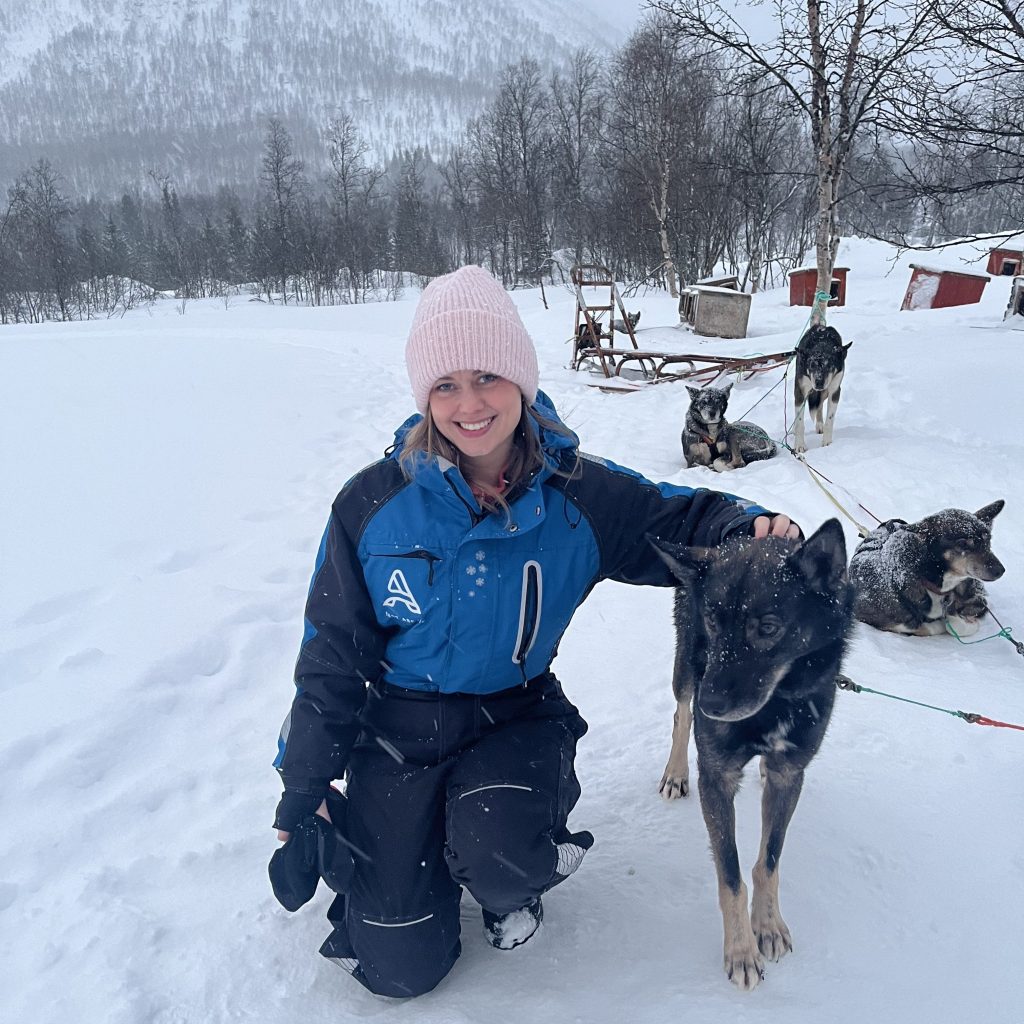
Life in the Arctic is for the most part, very peaceful. Spending my nights under the Northern Lights, breathing the fresh Arctic air and witnessing the beauty of the natural world – it all feels slower and calmer than life in Ireland, and this in turn can be quite soothing. The active lifestyle has made me physically and mentally stronger – from shovelling snow to clear my doorway each morning, or embarking on new activities such as snow-shoeing, cross-country skiing, snowmobiling and dog sledding, I have stepped out of my comfort zone.
And let me not forget the amazing wildlife! From reindeer roaming around freely to whales swimming amongst the fjords, the connection to nature that you feel here is profound.
Having worked in the industry here, this experience has also highlighted how sensitive a place like Tromsø is to human activity and overtourism. Global warming has a deep effect on the Arctic. I have witnessed firsthand the melting ice, rising temperatures and disrupted weather patterns. These are just some of the consequences, but they all threaten the very landscapes tourists come to see. I worry that Tromsø’s charm and peacefulness will be ruined in years to come because of the strain on the city’s infrastructure and of course, wildlife.
While tourism brings economic benefits and allows people from around the world to experience the beauty of the Arctic, these significant challenges must be tackled. I think this can be done by carbon-conscious travel, wildlife protection and of course education and awareness.
Living here certainly isn’t for everyone. But I’ve embraced everything Tromsø has to offer: the cold, the snow and even the darkness. For that, I’m proud of myself. I have a newfound appreciation for simplicity, and a focus on what truly matters in my life.
Tusen takk, Tromsø!
This article was also published on the Irish Independent website. You can read it here.
You can listen to my interview with Laura Fox on RTÉ 2fm here. I spoke about my experience living in Tromsø.
Discover more from Anna Cullen
Subscribe to get the latest posts sent to your email.
 Anna Cullen
Indeed a positive and inspiring story from “top of the world”. Nice to know that you don’t regret your move to “Paris of the North”, “Nordens Paris”. As you know, people from more than 100 different countries live in the city and makes it truly international. The university, the hospital and several research facilities (among others Polarinstituttet) attract people from “all over the world” to this remote located city. Hans
LikeLike