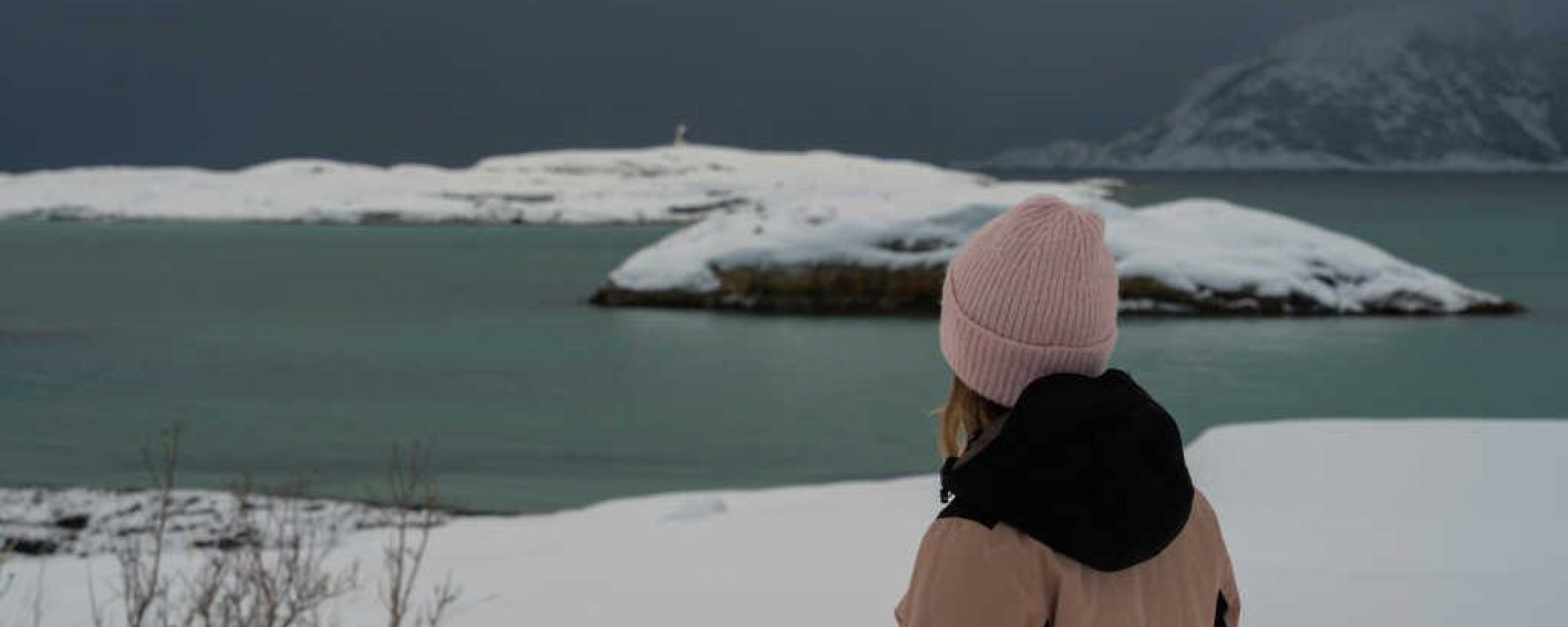
In April, I found myself in Longyearbyen, Svalbard, located at the frozen edge of the world. With the temperatures shifting between minus 15 and minus 20 degrees Celsius, this tiny Arctic settlement carved into snow and ice offered me the most surreal travel experience of my life.
Longyearbyen is a place where reindeer roam beside houses and snowmobiles outnumber cars. Walking through the town, with pastel-coloured buildings sitting boldly against a stark white backdrop, I felt like I was on another planet. The darkness of the long polar night had recently given way, and the town was on the cusp of its 24-hour daylight. The infamous midnight sun was about to begin its reign. Everything about Longyearbyen challenged my sense of normal.
I remember standing in the main street looking out over the Isfjorden, wind biting at any skin I dared expose. There was something profoundly humbling about being so far from everything familiar. The cold here isn’t just temperature. It’s a force, an atmosphere, a state of being. I couldn’t just stroll outside unprepared. Every moment outside felt like a calculated risk, which made the experience all the more vivid.
Of all the places I have travelled, nothing has stuck with me quite like Longyearbyen. Even now, weeks after returning home, I find myself drifting back to those icy streets and towering mountains that seem to go on forever. There’s a rawness to the Arctic that strips away life’s distractions. In that quiet space, something profound lingers. Longyearbyen challenged not just my expectations, but my very perspective on what it means to live and, paradoxically, what it means to die. The most intriguing detail about this place is that dying is technically not allowed.
In Longyearbyen, burial is prohibited. But why? Because the ground is permanently frozen and it refuses to allow the process of decomposition. When people once attempted to bury their dead here, bodies didn’t decompose. One famous case from the early 20th century even revealed preserved traces of the 1918 Spanish flu virus in exhumed bodies.
So if you’re terminally ill in Longyearbyen, you’ll be flown to mainland Norway. The same applies if you die unexpectedly. Your body will be transported off the island. It’s an eerie but necessary rule in a place so otherworldly it seems like a science fiction novel. Yet I was there, breathing in the thin, crisp air, enveloped by the relentless silence of the Arctic.
The rule about not dying might seem morbid or quirky at first. But while there’s dark humour in it, it’s also a reflection of the delicate balance of existence up there. Longyearbyen isn’t built for permanence. The harsh environment, the shifting ice, and the thin line between human will and nature’s indifference remind you constantly that you’re just a guest. Life is lived with intent here, because the conditions leave no room for anything less.
I remember visiting the local cemetery which is now closed to new burials, but still eerily beautiful. It is stationed on a windswept hill just outside town, with the small white crosses poking out of the snow like ghostly guards. The scene was haunting, and quiet. You could almost feel the land resisting the idea of human remains taking root in it.
It made me appreciate how residents live day to day. Everything is extreme. The weather can change by the hour. Polar bears roam nearby, so people carry rifles when heading out beyond the settlement. Yet somehow, life not only continues here, it thrives. I met a couple who moved from Oslo just to raise their kids in Longyearbyen. They spoke of the tight-knit community, the absolute safety, and the unique childhood their children were experiencing. They were learning about nature, self-reliance, and environmental stewardship in one of the planet’s most fragile ecosystems.
There’s also an international quality to the town. Over 50 nationalities are represented in Longyearbyen’s tiny population, and everyone brings their own sense of adventure. You don’t end up in a place like this by accident. Everyone I met had a story that led them there; scientists studying glacial melt, artists seeking solitude, workers chasing a new beginning.
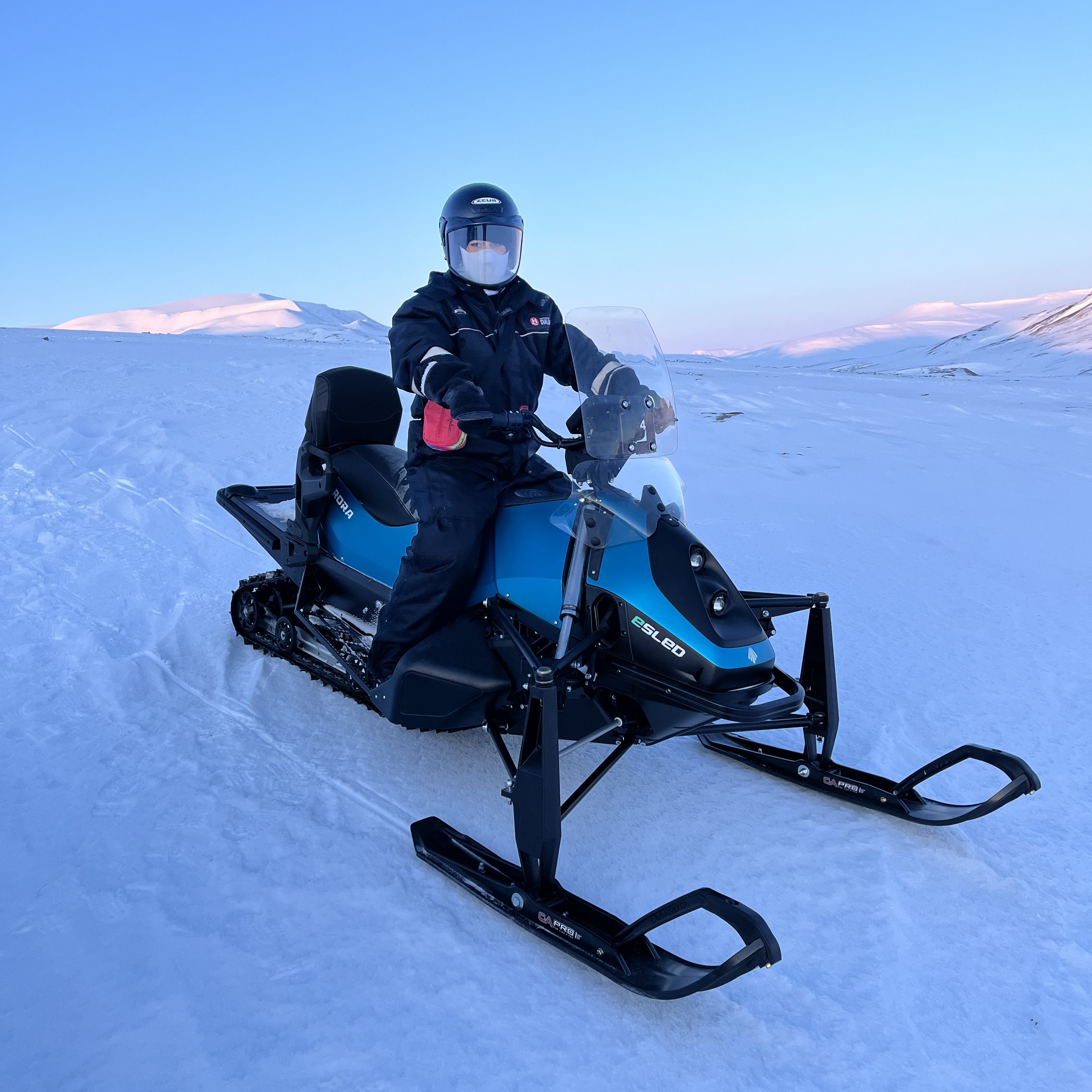
Of course, there was the beauty. Endless, alien, stunning beauty. I took a snowmobile excursion across a frozen fjord, and at one point, we stopped in the middle of nowhere. I took off my helmet and listened. There was nothing. No wind. No hum of life. Just stillness. It was the loudest silence I’ve ever heard. In that moment, I understood something essential about the Arctic: it doesn’t need us. But if you’re lucky enough to stand there, to breathe in air so cold it stings your lungs, you carry it with you forever.
Longyearbyen is a place that asks questions without speaking. What do you value? What would you hold onto when everything is stripped away? And importantly, how will you choose to live, knowing that you can’t stay?
I went there for the adventure. But as I left, boarding the plane back to the mainland, I realised that what makes Longyearbyen so unforgettable isn’t just its laws or its latitude. It’s the way it reshapes your understanding of what a town, or even life, can be. Longyearbyen doesn’t just ask you to adapt. It demands awe and respect.
Discover more from Anna Cullen
Subscribe to get the latest posts sent to your email.
 Anna Cullen